 En
En 

Are Cars Still Made With Timing Belts? 2026 Engine Guide for Buyers and Engineers
Yes, New Cars Still Leave the Factory With Timing Belts
A 2026 model-year vehicle can still be ordered with a toothed rubber belt driving its camshafts, and in several high-volume engine families that belt is the only timing drive the manufacturer offers. The move to chains that started in the 1990s never became universal. Belts survived because they solve three design problems that chains solve less well: friction, packaging height and noise.
The pattern is not random. Belt-driven camshafts cluster in four places. The first is small turbocharged gasoline engines between 1.0 and 1.5 litres, where every fraction of power lost to friction shows up in certified fuel consumption. The second is four-cylinder diesel engines, which still use belts in large numbers across Europe, Asia and South America. The third is wet-belt designs, where the belt runs inside the crankcase in engine oil and drives both the camshafts and the oil pump. The fourth is the accessory side of hybrid engines, where a separate belt drives a starter-generator, a water pump or an air-conditioning compressor.
Ford's 1.0-litre EcoBoost three-cylinder, produced in the millions since 2012, uses a wet belt. Stellantis runs a wet belt on its 1.2-litre PureTech family. Volkswagen's EA211 family, covering 1.0, 1.4 and 1.5 TSI engines, uses a dry camshaft belt with a long replacement window, while the larger EA888 2.0 TSI uses a chain. A long list of 1.5 to 2.0 litre diesel four-cylinders from European and Asian manufacturers still lists a belt in the service schedule. None of these are leftovers; they are current production engines with current belt specifications.
Look at global output rather than one market and the belt share is not a rounding error. Catalogue data from the replacement parts trade and teardown reporting suggest belts remain in roughly a quarter to a third of new light-vehicle engines worldwide, and the share is higher for light commercial vehicles and diesel passenger cars. That is why replacement timing belts are still a major product category rather than a legacy spare part.
Small turbo gasoline
Engines from 1.0 to 1.5 litres choose belts for lower friction and a shorter drive package. Service windows typically run from 90,000 to 150,000 miles, depending on design and market.
Four-cylinder diesel
Many passenger and light commercial diesels still use a dry belt, usually combined with an idler and a hydraulic or mechanical tensioner. Typical intervals sit between 60,000 and 100,000 miles.
Wet belt engines
The belt runs in engine oil. Lubricant specification and change discipline become part of belt life, because the rubber compound, the cord and the oil chemistry interact over the whole service interval.
Hybrid and 48V accessory drive
Mild hybrid systems add a belt-driven starter-generator, and some hybrid architectures drive the oil pump with a small toothed belt. A second belt duty cycle appears on the same engine.
Two conclusions follow for anyone buying or specifying a belt. First, "my engine has a belt" says nothing about engine quality; it says something about how the manufacturer chose to hit noise, cost, friction and packaging targets. Second, the belt itself is an engineered part with a defined service life, and the materials inside it decide whether that life is 60,000 miles or 150,000 miles.
Belt, Chain or Gear: The Trade-offs Engineers Actually Weigh
Nobody selects a timing drive out of tradition. The choice is made against a specification sheet that includes friction loss, noise at idle, packaging height, mass, cold-start behaviour and the service model the brand wants to sell.
Friction and fuel economy
A toothed belt runs on a low-friction tooth face and needs only enough tension to prevent tooth jump. A roller chain needs lubrication, a tensioner and guides, and it loses more energy to friction and to oil splash. On a small engine the absolute difference is modest, but it is visible in certified consumption figures, and that is one reason downsized turbo engines keep their belts.
Noise and vibration
A belt damps tooth impact. A chain produces a metallic rattle at cold start and transmits more high-frequency noise into the cover. Brands that sell on cabin refinement therefore lean towards belts, especially in three-cylinder engines where the firing order already creates more vibration than a four-cylinder.
Packaging and mass
A belt drive needs less vertical space than a chain with its guides and hydraulic tensioner, and it is lighter. In an engine bay crowded with a turbocharger, a high-pressure fuel pump and an exhaust after-treatment package, that space and mass matter more than the belt's shorter service life.
Service model
A chain lets a manufacturer print "no scheduled replacement" in the owner's manual, which is a strong marketing line. A belt creates a defined service event at a known mileage, which supports workshop traffic and aftermarket parts volumes. Both are commercial considerations, and both decide what you find under the hood of the car you are looking at.
| Factor | Toothed belt | Roller chain | Timing gears |
|---|---|---|---|
| Noise at idle | Lowest when tensioned correctly | Audible rattle, especially cold | Highest, gear whine |
| Friction loss | Low | Moderate to high | Low but heavy |
| Mass | Lightest | Heavier with guides and tensioner | Heaviest |
| Packaging height | Compact, front cover only | Taller, needs oil feed and guides | Compact but stiff block required |
| Oil contact | Dry design must stay dry; wet design is built for oil | Requires constant lubrication | Requires constant lubrication |
| Scheduled service | Belt, tensioner and idlers at a set interval | Often described as lifetime, though stretch and wear occur | Usually none within engine life |
| Typical replacement cost | Lower parts cost, labour dominated | Higher parts cost, similar labour | Not a routine service item |
| Where it dominates | Small gasoline, diesel, wet-belt engines, accessory drives | Larger gasoline and performance engines | Heavy diesel and industrial engines |
The table explains why the answer to "are cars still made with timing belts" is yes and why it will stay yes for the foreseeable future. A belt is not an obsolete part that manufacturers forgot to update. It is the correct answer to a specific set of constraints that still exist in a large part of the global engine range.
Dry Belts and Wet Belts Are Not the Same Product
Most arguments about belt reliability come from mixing two very different designs into one conversation. A dry timing belt runs outside the crankcase, behind a plastic or aluminium cover, in air. A wet timing belt runs submerged in engine oil inside the crankcase and is lubricated by the engine's own lubricant. They use different compounds, different cords, different tensioners and different service rules.
A dry belt fails slowly and visibly. The backing cracks, the teeth wear, the cord becomes exposed, and the tensioner bearing starts to make noise long before anything catastrophic happens. A wet belt fails in a way that is harder to see. Oil chemistry, heat and load cycles attack the compound, the belt sheds material into the sump, and that debris can block the oil pump pick-up screen. When that happens the engine loses oil pressure before the belt actually breaks, and the damage is no longer limited to the timing drive.
This is why lubricant specification is not a detail on a wet-belt engine. The correct oil grade, the correct specification and the correct change interval are part of the belt's design envelope. Using an oil that does not meet the manufacturer's requirement, or extending the drain interval well beyond the schedule, changes the chemical environment the belt was validated in.
| Item | Dry timing belt | Wet timing belt |
|---|---|---|
| Running environment | Air, behind a cover | Engine oil, inside the crankcase |
| Typical rubber | HNBR or neoprene based compound | Oil-resistant HNBR with a specialised additive package |
| Tensile cord | Glass fibre for standard duty, aramid for high load | High-modulus cord selected for oil and heat exposure |
| Tooth face | Nylon fabric, sometimes treated for low friction | Fabric engineered to resist oil attack and abrasion |
| Typical replacement window | 60,000 to 120,000 miles, or 6 to 10 years | Often 100,000 to 150,000 miles, or 10 years, on later designs |
| Primary failure mode | Cracked backing, worn teeth, tensioner seizure | Compound degradation, debris shedding, oil pump blockage |
| Early warning signs | Visible cracking, squeal, dust build-up | Oil pressure warning, debris in the sump, rough running |
| Maintenance that matters most | Correct tension and alignment at installation | Correct oil specification and strict oil change discipline |
The practical lesson for a fleet engineer or a workshop is simple: identify which type you are dealing with before you quote a service. A dry belt job is a mechanical task with a predictable parts list. A wet belt job is a mechanical task plus an oil specification audit, and skimping on either half creates a comeback.
Inside a Modern Timing Belt: The Layers That Decide Service Life
A timing belt looks like a simple loop of rubber. In reality it is a composite with four functional layers, and each one is chosen against the loads, temperatures and chemicals of the specific engine.
The four layers
- Tooth face fabric: a nylon or treated fabric layer that protects the teeth from abrasion against the pulley flanks and controls friction at the meshing point.
- Rubber body: HNBR for most modern automotive belts, chosen for heat resistance up to around 150 degrees Celsius in continuous service and for resistance to oil mist and blow-by vapours. Neoprene remains in some lower-temperature industrial and older applications.
- Tensile cord: glass fibre for standard automotive duty, aramid or hybrid cord where higher torque and higher shock loads are expected. The cord carries the load; the rubber only holds it in place.
- Backing fabric: the top surface that contacts the idler and tensioner pulleys, selected for low friction and resistance to cracking under repeated bending.
Tooth profile matters as much as material
The tooth shape controls how load enters the cord and how much noise the drive produces. Trapezoidal profiles such as T-type and classical profiles are still common in automotive and industrial drives because they locate precisely and tolerate misalignment well. Curvilinear and modified curvilinear profiles, including HTD, STD and RPP families, distribute load over a longer arc of the tooth, which reduces stress concentration and noise. The choice between them changes the pulley, not just the belt, so a replacement part must match the original profile exactly.
Why a small dimensional error is expensive
Pitch tolerance, cord position, tooth height and belt width are held to fractions of a millimetre. If pitch runs long, the belt sits high in the pulley groove and the load concentrates near the tooth tip. If the cord sits off-centre, the belt tracks to one side and the edges wear against the flange. Both problems shorten life and both come from manufacturing control rather than from the raw material.
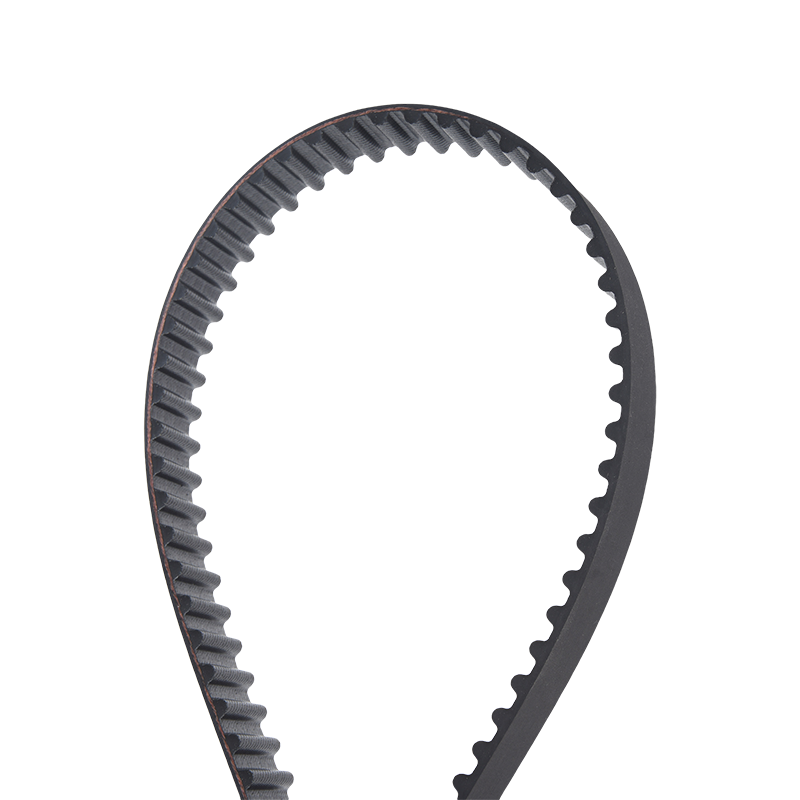 Automotive Timing Belts for Engine Cam DrivesPrecision-built synchronous belts for cam drives, with multiple profiles and heat- and oil-resistant construction for engine timing reliability.View Product →
What a Belt Manufacturer Controls That a Buyer Cannot See
Two belts can use the same compound and the same profile and still deliver different service life. The difference sits in process control: how the cord is tensioned during building, how the compound is mixed, how the mould is maintained and how the belt is cured.
Compound mixing
Batch weight accuracy, mixing temperature and dispersion of fillers determine whether the rubber cures evenly. Poor dispersion shows up later as hard spots and premature cracking.
Cord tension control
If cord tension varies across the width, load distribution across the belt becomes uneven. The belt then runs at a slightly different pitch on one side and wears the pulley flange.
Vulcanisation
Time, temperature and pressure convert the raw belt into a dimensionally stable part. Under-cured belts swell in oil; over-cured belts crack in cold weather.
Mould and tooling accuracy
Tooth depth, pitch and flank angle come from the mould. Tooling maintenance schedules are invisible in a catalogue but visible in belt life.
A supplier working to national and industry standards typically holds records for compound batches, cure curves, dimensional inspection and cord lot numbers. When a belt fails in the field, those records are what allow the failure to be traced to installation, tension, contamination or the part itself. For a workshop or a purchasing team, the ability to ask for that traceability is a more useful selection criterion than a generic claim about quality.
Manufacturing scale also affects consistency. A plant producing more than a hundred million belts a year from a single site runs the same presses, the same curing parameters and the same inspection routines across the whole catalogue, which reduces variation between production runs. That consistency is what keeps a 90,000-mile service interval realistic in the field and not just on paper.
Replacement Intervals: What the Numbers Actually Look Like
Service intervals for timing belts are set by the engine manufacturer and validated on a specific engine, with a specific belt, in a specific oil environment. Treat any general figure as a starting point and always confirm against the vehicle's own schedule. That said, the ranges below reflect how the main engine types are typically scheduled.
Wet belt, small turbo gasoline
up to 150,000 mi
Dry belt, modern gasoline
100,000 to 120,000 mi
Four-cylinder diesel
60,000 to 100,000 mi
Older gasoline engines
50,000 to 60,000 mi
Accessory drives
40,000 to 60,000 mi
Mileage alone is not the whole story. Most schedules also carry a time limit, often six to ten years, because rubber ages even when the car is not driven. A low-mileage vehicle used for short trips can need a belt earlier than a high-mileage motorway car of the same age. For a more detailed breakdown of how mileage and time limits interact across engine families, see this analysis of how long timing belts last in real service.
Conditions that shorten belt life
- Frequent short trips that never bring the engine to full operating temperature, which leaves condensation and fuel dilution in the oil of a wet-belt engine.
- Oil leaks from the camshaft or crankshaft seal reaching a dry belt and softening the compound.
- Coolant leaks from the water pump that sits behind the belt on many engines.
- Incorrect tension at installation, either too loose, which allows tooth jump, or too tight, which overloads the cord and the tensioner bearing.
- Pulley misalignment after a previous repair, which pushes the belt against a flange and wears the edge.
- Dust, abrasive fines or a missing cover allowing grit into the drive.
- Leaving the original tensioner and idlers in place when only the belt is changed.
Each of these factors is measurable. A workshop that checks runout, alignment and tension with the specified tool, and that replaces the tensioner and idlers as a set, removes most of the risk at the point of installation rather than hoping the part survives.
What a Failed Belt Costs Compared With a Planned Replacement
The gap between a scheduled belt job and a snapped belt is one of the widest in routine maintenance, which is why the interval should be treated as a limit rather than a suggestion.
Interference and non-interference engines
In an interference engine, the pistons and valves occupy the same space at different points in the cycle. If the belt jumps teeth or breaks, the camshafts stop in the wrong position and the pistons hit the valves. In a non-interference engine the valve and piston paths never cross, so a broken belt usually means a tow truck and a new belt rather than a new cylinder head. Most modern high-compression engines are interference designs.
Typical cost outcomes
- Planned replacement with belt, tensioner and idlers: belt and component cost plus three to six hours of labour, depending on engine access.
- Belt failure at idle: usually valves, sometimes camshaft damage and a head rebuild.
- Belt failure at speed: bent valves, cracked pistons, scored cylinder walls, in some cases a replacement engine.
- Wet belt degradation without breakage: blocked oil pump pick-up, loss of oil pressure and bearing damage that appears as a separate, larger repair.
Warning signs worth acting on immediately
- Squealing or chirping from the front of the engine at cold start.
- A ticking or rattling noise from behind the timing cover.
- Visible cracks, glazing, missing teeth or frayed edges on a dry belt.
- Oil pressure warning light on a wet-belt engine, or rubber debris found in the sump.
- Rough idle, misfire codes or a sudden loss of power on an engine with a variable valve timing system driven by the same belt.
- Any sign of oil or coolant in the timing case.
For an operator running a fleet, the economics are straightforward. A planned belt service is a scheduled cost that can be grouped with other work while the vehicle is already in the workshop. An unplanned failure is a recovery cost, a rental cost and, in the worst case, a replacement engine.
2026 Snapshot: Hybrids, Stop-Start and Higher Load Cycles
Electrification has not removed belts from the engine. It has changed the loads they see. A stop-start system that restarts the engine dozens of times a day, a 48V starter-generator that applies torque to the front-end accessory belt, and a hybrid control strategy that shuts the engine down and restarts it under load all increase the number of high-shock cycles in a belt's life.
Three consequences follow for belt design. First, the tensile cord has to resist fatigue rather than just steady tension, because the belt is cycled far more often than in a conventional car. Second, the tooth face fabric has to resist abrasion under more frequent engagement. Third, wet belts in plug-in hybrids face a specific challenge: the engine may run rarely and stay cold, so fuel and water accumulate in the oil, and the belt spends its life in a chemically different environment than it was originally validated in.
On the accessory side, the belt drive itself has become more complex. A single serpentine or ribbed belt may now drive an alternator or starter-generator, a water pump, an air-conditioning compressor and an idler set with a decoupling pulley. Tensioner design, belt alignment and rib wear become service items in their own right, and a slipping accessory belt can mimic a timing fault by causing voltage drop and warning lights.
The practical takeaway for 2026 is that the belt is not a disappearing component. It is a component whose duty cycle is getting harder, which puts more weight on correct specification and correct installation.
How to Tell What Your Engine Uses Without Guessing
Before booking any work, confirm the drive type from the vehicle itself rather than from a forum thread about the model name. Trim levels and model years frequently mix belt and chain engines.
- Find the engine code, usually on a sticker in the door shut, on the engine block or in the service book. Engine codes are more reliable than model names.
- Open the bonnet and look at the front of the engine. A belt engine typically has a shallow plastic or pressed-steel cover with bolts around its edge and a tensioner visible at the outer end of the drive.
- A chain engine usually has a taller cast aluminium front cover with no scheduled timing service listed, and often a distinct rattle at cold start.
- Check the service schedule in the owner's manual. If a timing belt replacement appears at a mileage or year figure, the engine has a belt.
- Look for a wet belt through the oil filler where the design allows it, or check whether the manufacturer specifies a particular oil standard with unusual emphasis. Wet-belt engines almost always do.
- If the history is unknown, treat the belt as due. A belt with no documented replacement is an unknown quantity, and the cost of being wrong is on the other side of the engine.
| Clue | Belt engine | Chain engine |
|---|---|---|
| Front cover | Shallow cover, bolts around the edge, often plastic | Tall cast aluminium cover, integrated with the block profile |
| Service schedule | Timing belt at a stated mileage or year figure | No scheduled timing item |
| Cold start sound | Quiet, occasionally a light chirp from a worn tensioner | Short metallic rattle that fades as oil pressure builds |
| Oil specification | Often strict, especially on wet-belt designs | Standard specification for the engine family |
| Accessory drive | Separate ribbed or V belt for the alternator and ancillaries | Same, but the timing drive is fully enclosed and lubricated |
The Industrial Side: Where Synchronous Belts Never Left
While passenger car engines debated belts against chains, industrial machinery made its own decision and largely kept it. Synchronous belts drive packaging lines, textile machinery, CNC axes, compressors, woodworking equipment, agricultural implements and food processing equipment, and in most of those applications the belt has displaced chain and gear drives over the last three decades.
The reason is precision at speed. A curvilinear profile belt running on a matched pulley transmits a fixed ratio with minimal backlash, needs no lubrication, tolerates high linear speeds and runs quietly enough for an operator to stand next to it. A chain in the same position needs an oil bath or a lubrication system, stretches over time, and introduces a lubrication contamination risk in food and pharmaceutical environments.
Industrial belt selection is driven by different data than automotive work: torque, speed, centre distance, pulley diameter, ambient temperature, chemical exposure and duty cycle in hours. High-torque drives with shock loads usually point to a curvilinear profile with aramid cord; high-speed, low-torque positioning axes point to a lighter construction with a glass cord and a low-friction tooth face.
| Application | Typical profile | Construction priority |
|---|---|---|
| Packaging and labelling machinery | Curvilinear, fine pitch | Positioning accuracy, low noise |
| Machine tool and CNC axes | Curvilinear, high precision | Pitch tolerance, low backlash, minimal elongation |
| Compressors and pumps | Trapezoidal or curvilinear, wide section | Torque capacity, heat resistance |
| Agricultural equipment | Heavy-duty curvilinear | Shock load resistance, dust and weather tolerance |
| Food processing lines | Open-ended or joined, washdown compatible | Cleanability, no lubrication, chemical resistance |
| Textile and printing machinery | Fine pitch, long length | Dimensional stability, low elongation over time |
This is where the same engineering discipline behind automotive belts shows up in a different form. A drive that runs sixteen hours a day, six days a week has a service life measured in thousands of hours rather than tens of thousands of miles, and the belt specification has to be matched to the motor, the pulley and the load profile rather than picked from a size chart alone. For drives that combine high torque with continuous duty, the choices in a power transmission industrial timing belts range are usually organised by profile and cord type so that the belt, pulley and tensioner are specified as one system.
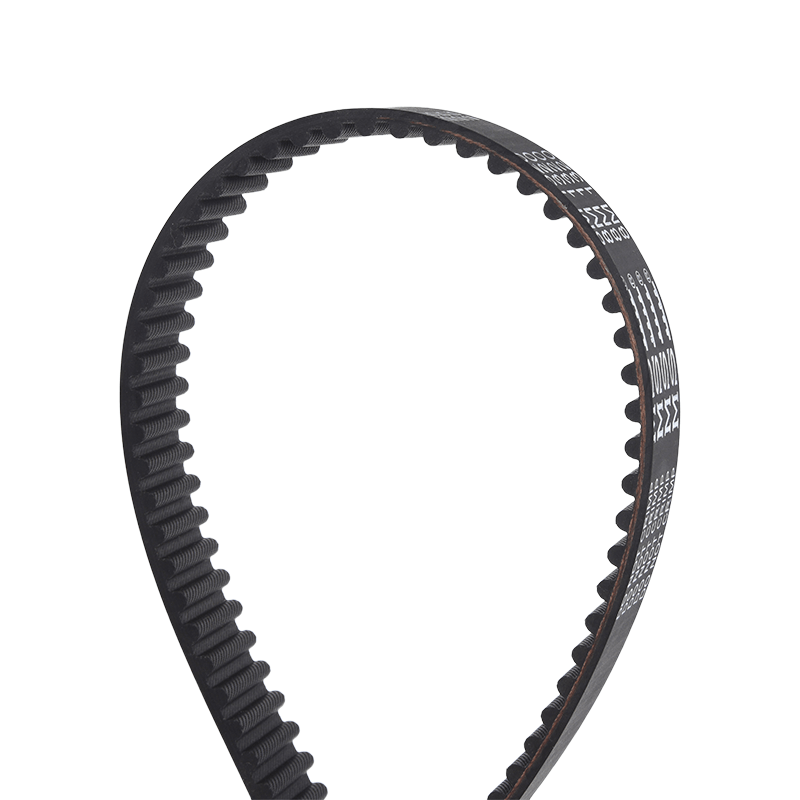
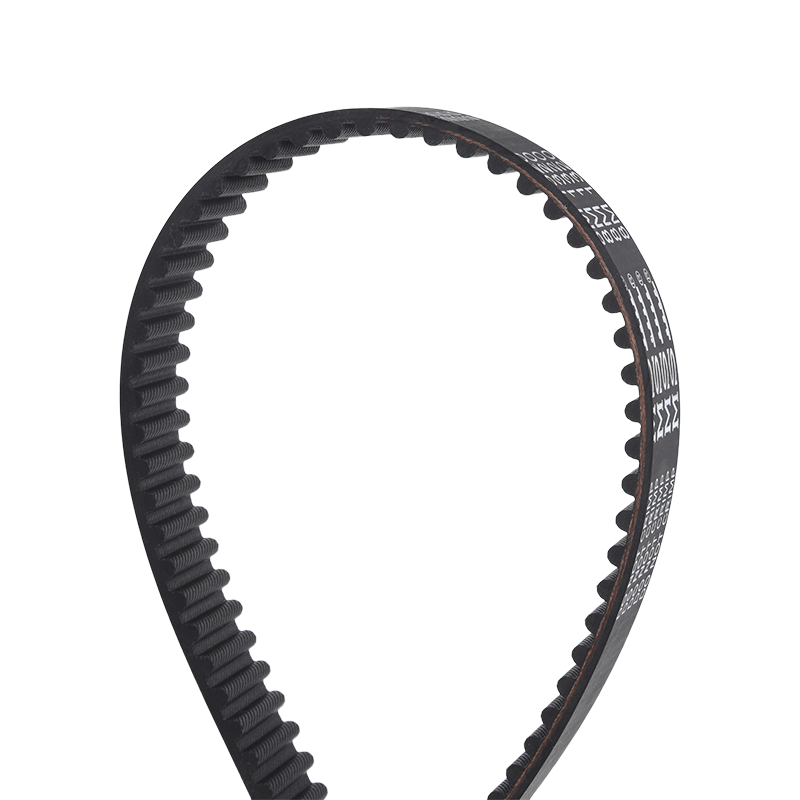 Arc Tooth Industrial Timing Belts for Continuous Drive SystemsCurvilinear-tooth rubber synchronous belts for industrial drives, designed for quieter engagement, precise fit, and even load distribution in demanding duty.View Product →
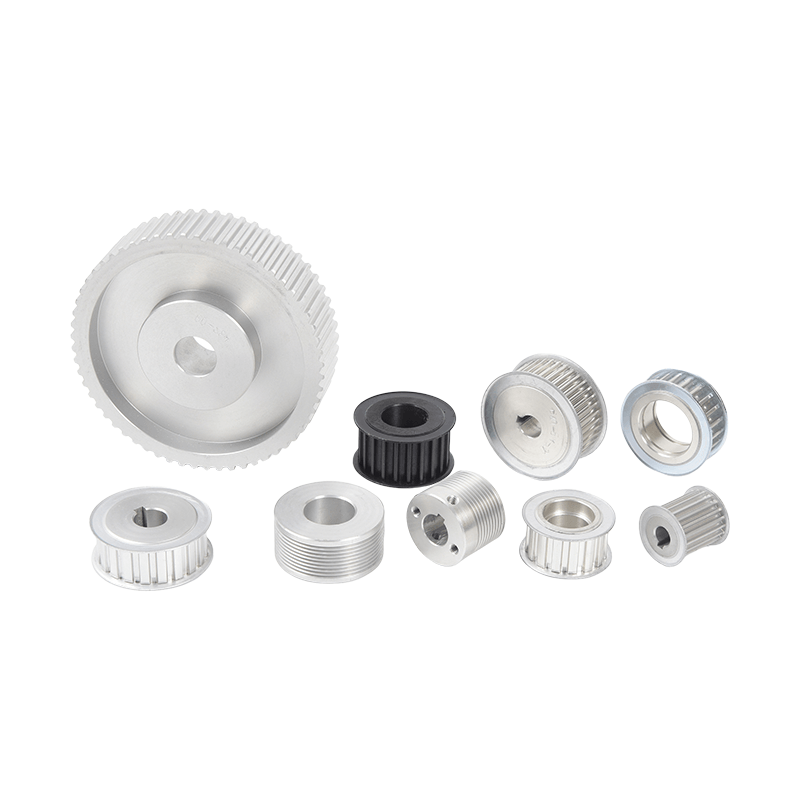
 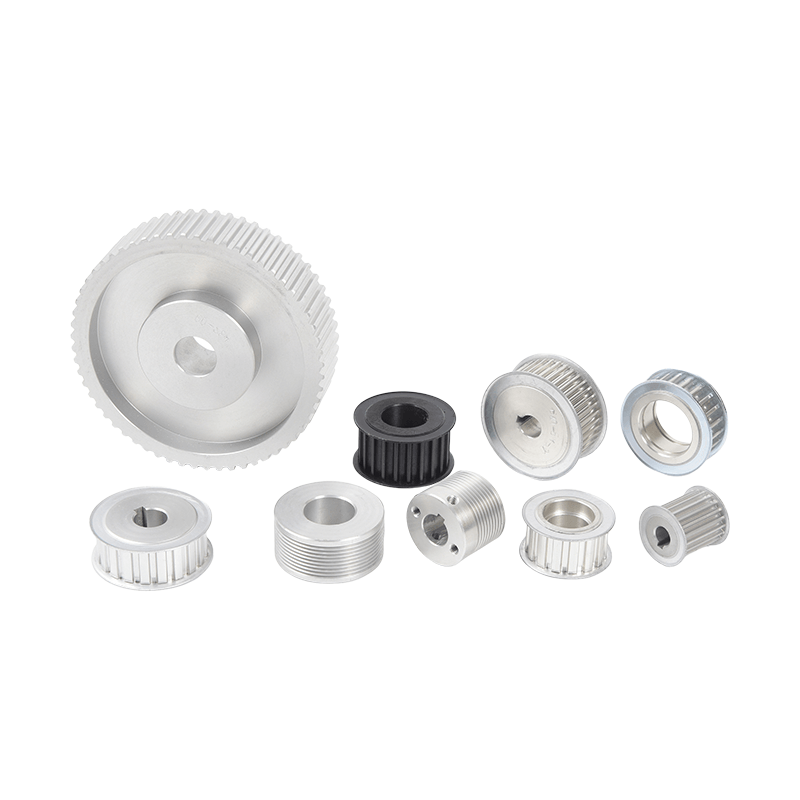 Synchronous Pulleys for Industrial Belt Drive SystemsPulleys matched to synchronous belts, offering accurate, low-noise transmission and available in carbon steel, cast iron, aluminum alloy, and engineering plastics.View Product →
Buyer's Checklist: What to Verify Before Approving a Belt Specification
Whether the belt goes into a car engine or a conveyor drive, the same questions decide whether the part survives its intended life. Work through them in order, because an error in the first two rows invalidates everything below.
| Check | What to confirm | Why it matters |
|---|---|---|
| Profile | Exact profile family, pitch, tooth count and width | A near-match profile loads the wrong part of the tooth and wears both belt and pulley |
| Length and width tolerance | Stated tolerance band, not just nominal dimensions | Length error changes tension and timing position directly |
| Compound | Rubber type and temperature range, oil and chemical resistance | Determines life in hot, oily or contaminated environments |
| Cord | Glass, aramid or hybrid, and stated tensile strength | Sets the torque ceiling and resistance to shock loads |
| Wet or dry duty | Explicit confirmation for oil-immersed applications | A dry belt in oil swells, softens and fails early |
| Batch traceability | Batch or lot marking with records available | Makes failure analysis and warranty claims possible |
| Test documentation | Dimensional inspection, fatigue and heat ageing data | Shows the part was validated, not only produced |
| Matched system parts | Pulley, tensioner and idler supplied to the same standard | Most premature failures originate in the drive, not in the belt |
Procurement risks that show up later
- Substituting a standard profile for a modified curvilinear profile because the pitch matches.
- Accepting a belt by nominal length alone, without checking the tolerance against the tensioner's adjustment range.
- Buying the belt without the tensioner, then discovering the old bearing is the actual cause of the noise.
- Ignoring storage conditions: heat, sunlight and ozone degrade rubber in the warehouse as effectively as in service.
- Failing to record which batch went into which machine or vehicle, which makes any warranty discussion impossible.
Frequently Asked Questions
Are new cars still built with timing belts?
Yes. Small turbocharged gasoline engines, many four-cylinder diesels, wet-belt designs and the accessory drives of hybrid engines all use belts in current production. Belts remain a substantial share of new light-vehicle engines worldwide, not a discontinued design.
Which engine types are most likely to use a belt today?
Engines between roughly 1.0 and 1.5 litres of displacement, four-cylinder diesel engines, engines with a wet belt running in oil, and front-end accessory drives on mild hybrid models. Larger gasoline engines and performance units have moved towards chains in most markets.
Do timing belts last as long as chains?
No, and they are not designed to. A belt is a scheduled service item with a defined replacement window, while a chain is usually presented as lasting the life of the engine. The belt compensates with lower friction, less noise and a smaller package, which is why manufacturers keep choosing it.
Is a wet belt a design fault?
A wet belt is a deliberate design choice, not automatically a fault. The problems that appear in service usually come from the surrounding system: incorrect oil specification, extended oil change intervals, high short-trip usage or ignored replacement scheduling. Serviced correctly, a wet belt can cover a long interval.
Can a belt engine be converted to a chain?
Practically, no. The block, head, covers, tensioner mounting points and oil feed routes are all designed for one drive type. Conversion would mean machining a different engine, and the cost would exceed the value of the vehicle.
How much does a timing belt replacement cost?
Cost depends on access, engine layout and how many components are replaced at the same time. In most cases the belt, tensioner and idlers are changed as a set because the labour to reach them dominates the total. A wet belt job usually includes an oil and filter change and a check of the oil pump pick-up.
Are belts quieter than chains?
Yes, in most installations. A belt damps tooth engagement, while a chain transmits metallic rattle, particularly at cold start before oil pressure builds. This is one of the main reasons small three-cylinder engines retain belt camshaft drives.
Do electric cars have timing belts?
Battery electric vehicles have no camshaft to time, so there is no timing belt. Some designs still use belt drives for auxiliary functions such as a water pump or a steering assist pump, and those belts follow normal per-mile replacement logic.
What material is used in a modern timing belt?
HNBR rubber for the body in most current automotive applications, a tooth face and backing fabric for abrasion control, and a tensile cord of glass fibre or aramid depending on the torque the drive must carry. Neoprene continues to appear in some industrial and older applications.
How can I tell if my belt needs replacing before the scheduled interval?
Watch for squealing at cold start, a ticking noise behind the timing cover, visible cracking or glazing on the belt edge, oil or coolant in the timing case, and on a wet-belt engine, oil pressure warnings or rubber debris in the sump. Any of these justifies an inspection ahead of schedule.
Should the tensioner be replaced with the belt?
Yes. A tensioner bearing reaches the end of its life at roughly the same point as the belt, and reusing the old tensioner with a new belt is one of the most common causes of a repeat failure shortly after a repair.
Do industrial machines still use timing belts?
They do, and in many applications the synchronous belt has replaced chain and gear drives outright. Industrial belts are selected on torque, speed, duty cycle and environment rather than on mileage, so the specification process differs from automotive work even though the construction is closely related.
Produse fierbinți
-
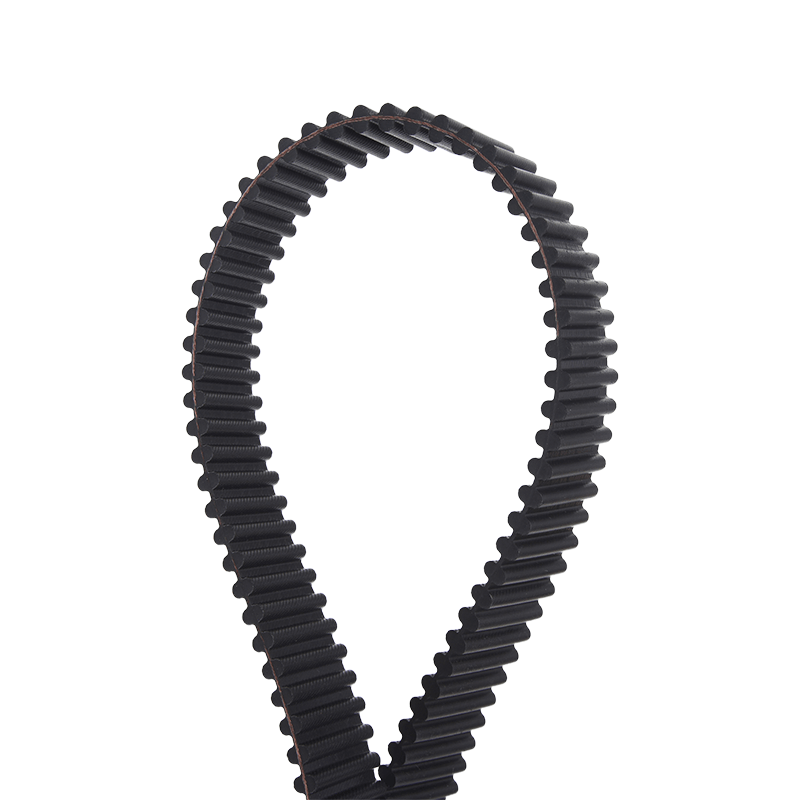 Vezi mai multe
-
 Vezi mai multe
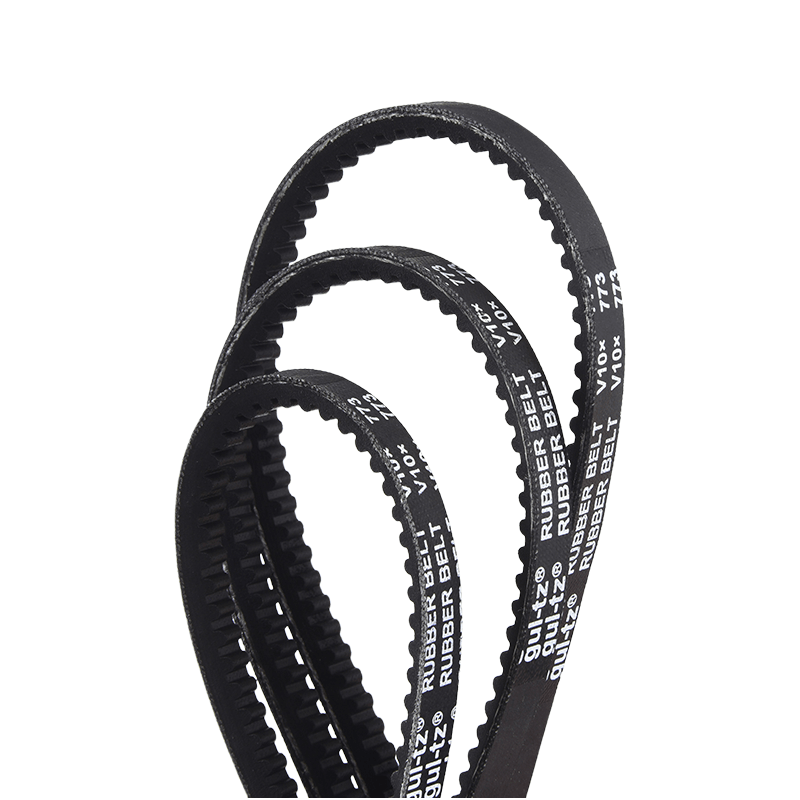
Cureaua trapezoidala pentru industrie
-
 Vezi mai multe
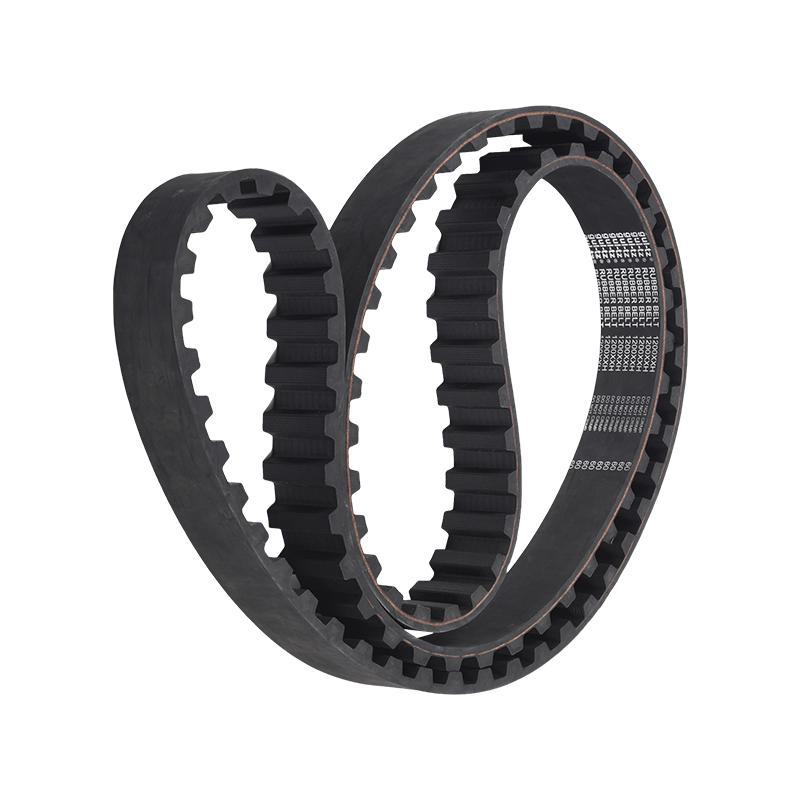
Curea sincronă din cauciuc pentru industria de tip T
-
 Vezi mai multe
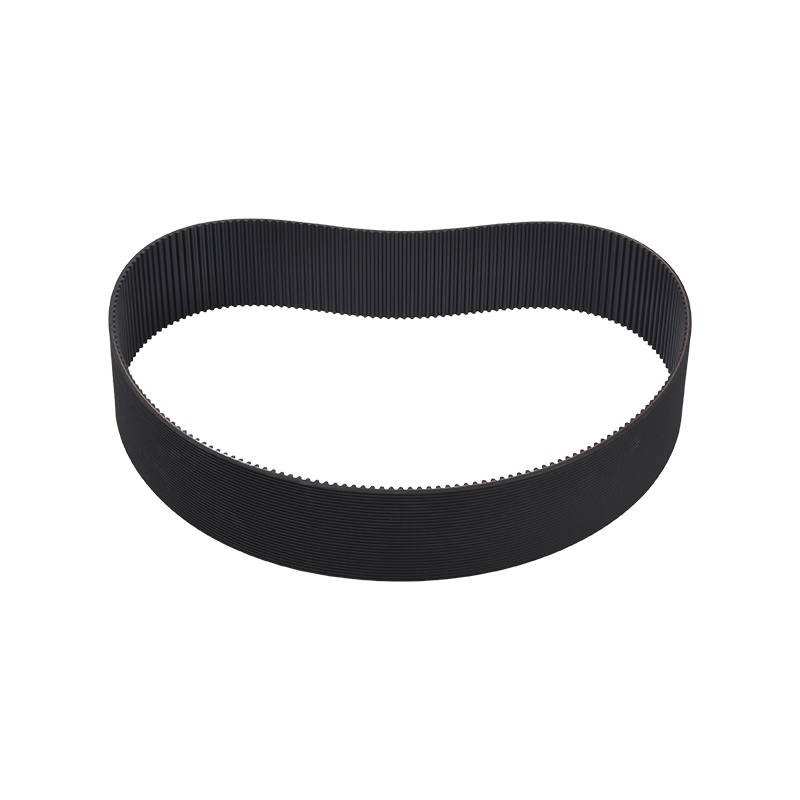
Curea cu pană dințată
-
 Vezi mai multe
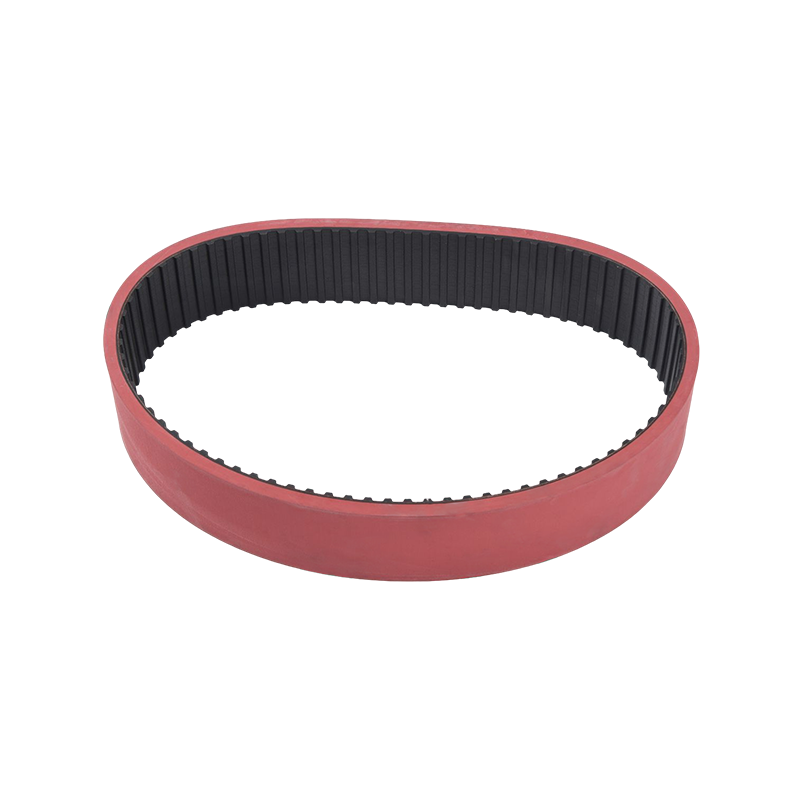
Curea de distribuție îngroșată
-
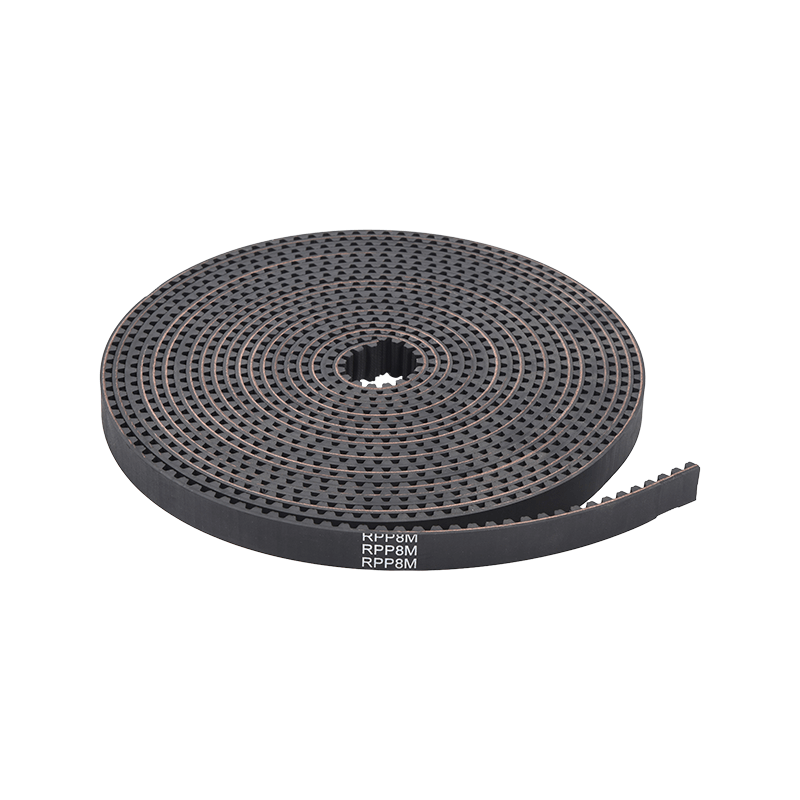 Vezi mai multe
Deschideți cureaua de distribuție
-
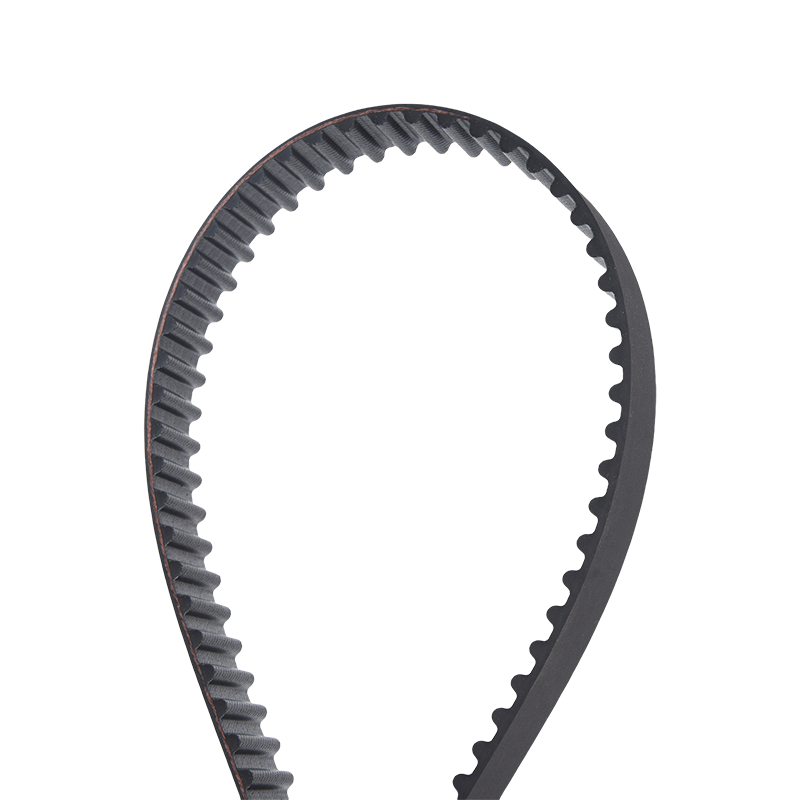 Vezi mai multe
Cureaua trapezoidala auto
-
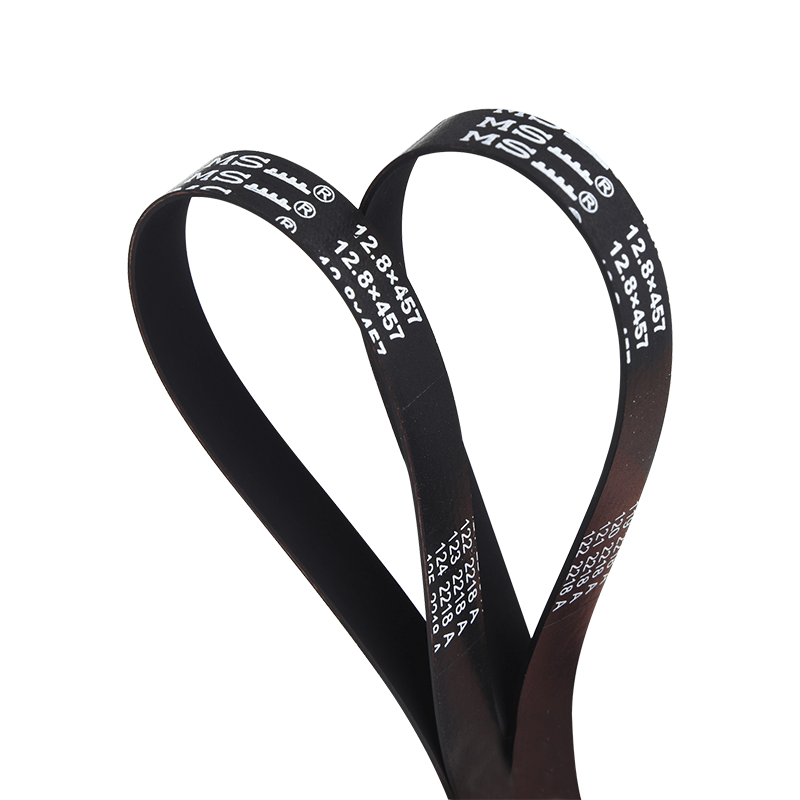 Vezi mai multe
Curea plată din cauciuc
-
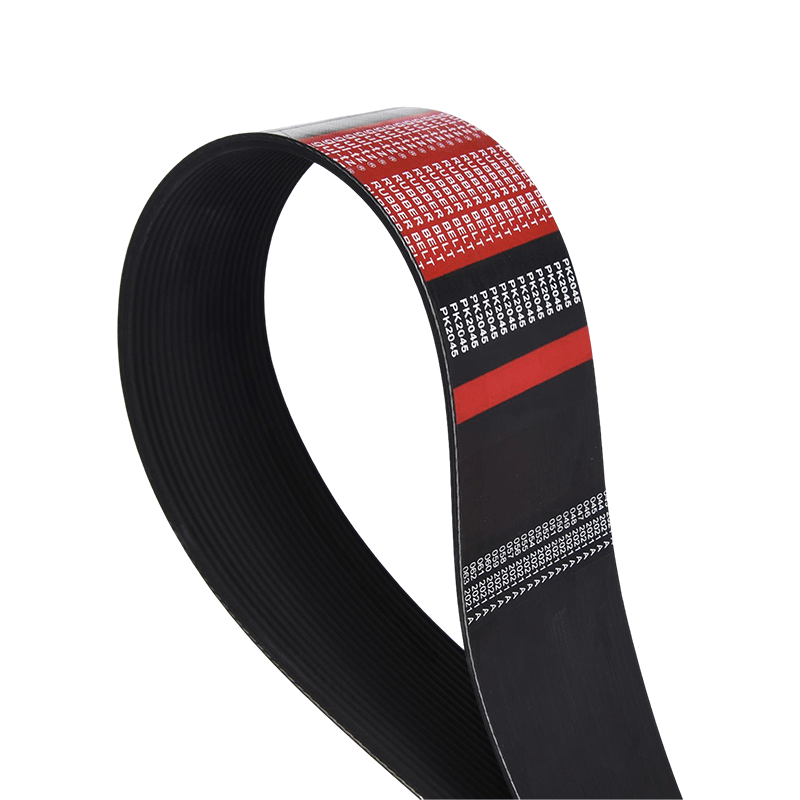 Vezi mai multe
Centura cu nervuri
-
 Vezi mai multe
_ssl.c:880: The handshake operation timed out
-
 Vezi mai multe
Curea sincronă din cauciuc industrial cu dinți arc
-
Vezi mai multe
Cureaua de distributie auto

Ai o întrebare? Simțiți-vă liber să contactați!
 Tel: +86-0574-62498188 62497298
 Fax: +86-0574-62497297
 E-mail:
  Add: Nr. 65, Middle Jinniu Road, Moushan Town, Yuyao City, provincia Zhejiang, China
Copyright © Ningbo GUL TZ Rubber Belt Co., Ltd. All rights reserved.

